5 home design trends packing their bags in 2026
Here they are and what's replacing them
Every few years, the interior design world does a hard reset. Trends that once felt fresh and aspirational slowly become the very thing designers cringe at- and 2026 is no exception. Whether you're planning a renovation, staging your home to sell, or simply tired of a look that's starting to feel stale, this is your official permission slip to move on.
Here are 5 home design trends that are packing their bags in 2026-and what's taking their place.
1. All-Gray Everything
Gray had a decade-long run as the reigning neutral of American interiors -gray walls, gray sofas, gray luxury vinyl plank flooring, gray subway tile. But the era of the cool-toned, monochromatic gray palette is officially over. Designers across the board agree it now reads as flat and dated. In its place, warmer tones are making a triumphant return: rich chocolate browns, earthy terracotta, soft sage greens, and warm wood tones are bringing life and personality back into the home.
What's replacing it: Warm, nature-inspired palettes with depth and layering.
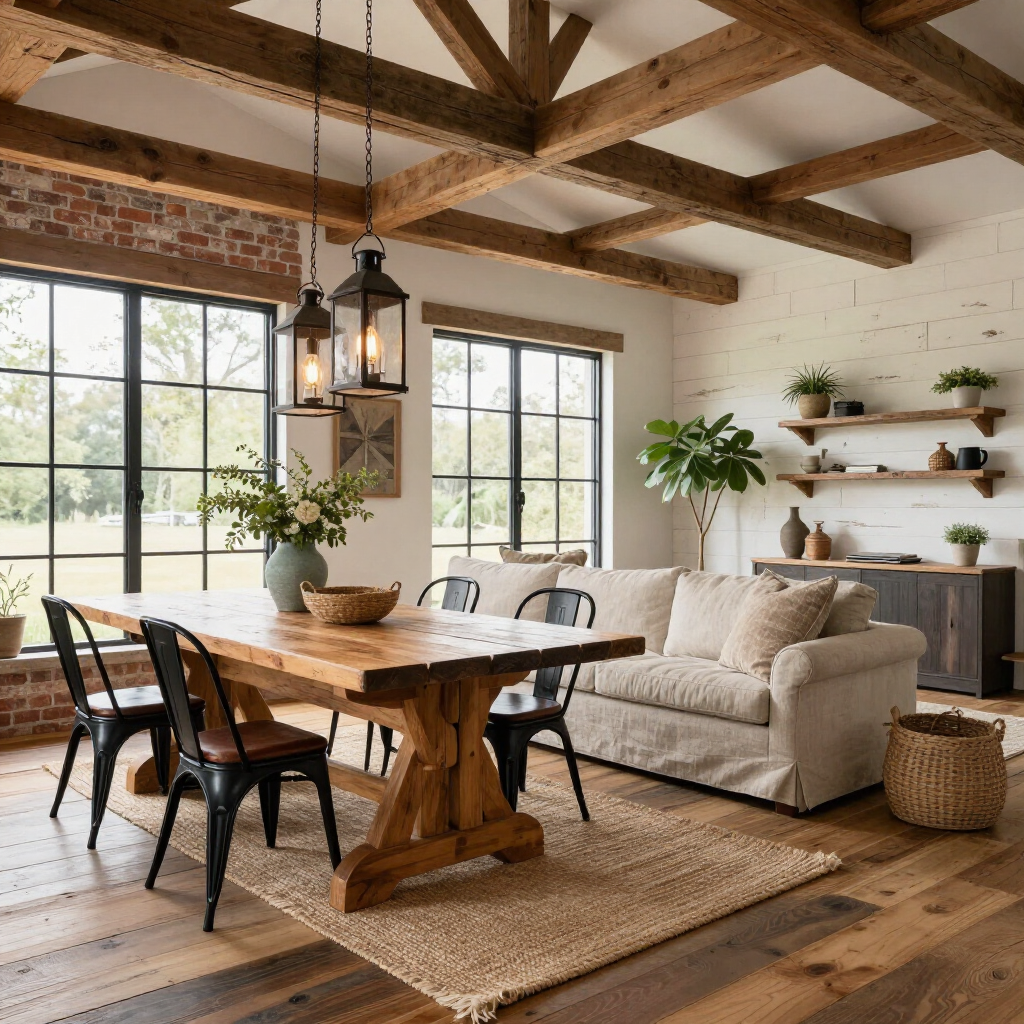
2. The Modern Farmhouse Aesthetic
Shiplap. Barn doors. Black window frames on stark white walls. Rustic mason jar light fixtures. The modern farmhouse look- popularized by Chip and Joanna Gaines and endlessly replicated across the country -has officially peaked. What was once a charming nod to American rural heritage now reads as a formula, and a very recognizable one at that. Designers are dismantling the look in favor of heritage-inspired details that feel more authentic and less theme-park.
What's replacing it: Traditional architectural details, genuine antiques, and layered, lived-in interiors.
3. Open Kitchen Shelving
Open shelving had a good run. The idea was simple: remove the upper cabinets, display your beautiful dishes, and enjoy an airy, Instagram-ready kitchen. The reality? Dust buildup, grease accumulation, and the constant pressure to keep everything perfectly styled. Designers are increasingly calling time on expansive open shelving as a default choice. The consensus is that open shelving used sparingly -a single shelf, a glass-front cabinet- can still work beautifully. But wall-to-wall open storage is on its way out.
What's replacing it: Glass-front cabinetry, enclosed storage with decorative door fronts, and a more intentional approach to display.
A quick storage tip from us at Ray Mobile Storage: if the shift away from open shelving has you realizing you actually need more accessible storage solutions elsewhere in your home, portable storage containers are a great way to declutter and reorganize during a renovation.
4. Matte Black Hardware
Matte black hardware- faucets, cabinet pulls, light fixtures — was the finishing touch in thousands of kitchen and bathroom renovations through the early 2020s. It felt sleek, bold, and modern. But its moment has passed. As one designer put it, the high-contrast look of matte black against white cabinetry peaked hard in 2020, and the bigger the trend, the harder it falls. Warmer metallics are now the go-to.
What's replacing it: Brass, unlacquered brass, copper, and brushed nickel finishes that add warmth and a sense of richness.
5. Matching Furniture Sets
The days of buying an entire living room or bedroom as a coordinated set — matching sofa, loveseat, armchair, and coffee table -are numbered. While convenient, these perfectly matched collections tend to make a space feel more like a showroom floor than a home. The design world has shifted decisively toward curated, collected interiors that look like they've been assembled over time with intention and personality.
What's replacing it: An eclectic mix of pieces from different eras, styles, and sources that feel individually chosen rather than pre-packaged.